Choosing the right cross country ski poles dramatically impacts performance and enjoyment!
Proper pole length optimizes technique, reduces fatigue, and enhances overall skiing efficiency.
This guide will help you navigate the nuances of sizing for both classic and skate skiing.
Understanding the Importance of Proper Pole Length
Correct pole length is fundamental to efficient cross-country skiing, influencing both power transfer and technique. Poles that are too short compromise your ability to generate propulsion, leading to increased strain on your arms and shoulders. Conversely, overly long poles hinder control and can disrupt your rhythm, causing unnecessary fatigue.
Optimal length allows for a natural arm swing, maximizing the use of your upper body muscles during each stride. This translates to greater speed, endurance, and a more enjoyable experience on the trails. Finding the right size isn’t merely about comfort; it’s about unlocking your full potential as a skier, whether you’re gliding through groomed paths or exploring backcountry terrain.
Classic Ski Pole Sizing
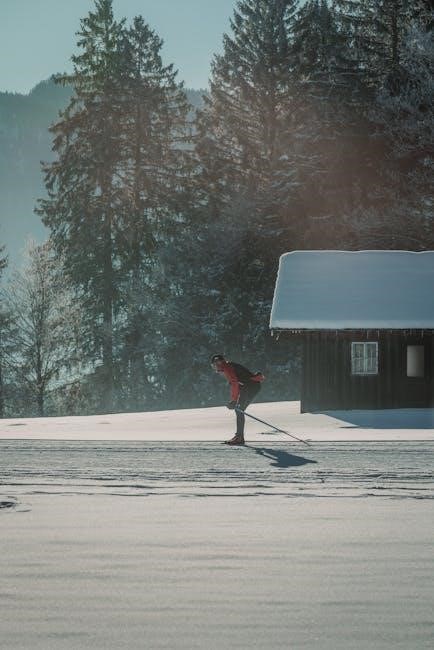
Classic skiing poles prioritize a comfortable rhythm and efficient glide. Sizing focuses on providing support during the double-pole technique and diagonal stride for optimal performance.
Classic Pole Length Calculation: Height x 0.84
Determining the ideal classic ski pole length begins with a simple calculation: multiply your height in centimeters by 0.84. This formula provides a solid starting point for most skiers, offering a balance between propulsion and comfort. For example, a skier who is 175cm tall would multiply that by 0.84, resulting in a recommended pole length of approximately 147cm.
However, remember this is a general guideline. Individual preferences and terrain conditions can necessitate adjustments. It’s crucial to consider your skiing style and experience level when fine-tuning your pole length. This calculation is a great initial step towards finding the perfect fit!
Using a Classic Ski Pole Size Chart
Classic ski pole size charts offer a convenient alternative to calculations, correlating skier height with recommended pole lengths. These charts typically present ranges, acknowledging individual variations. For instance, a skier between 160cm and 165cm might find a pole length of 135-140cm suitable.
Referencing a chart is particularly helpful for beginners unsure of their precise height or those seeking a quick reference. Remember to consider shoe size, as some charts incorporate this factor. Always prioritize trying poles before purchasing to ensure a comfortable and effective fit. Charts provide a valuable starting point, but personal feel is paramount.
Adjusting Classic Pole Length for Terrain
Classic ski pole length isn’t fixed; adjust it based on terrain! For flatter, groomed trails, stick closer to your calculated or chart-recommended length. However, on steeper inclines, shortening poles by 5-10cm provides better balance and reduces strain. Conversely, on downhill sections or softer snow, lengthening poles slightly improves control and stability.
Many adjustable-length poles allow for on-the-fly modifications. Experiment to find what feels most comfortable and efficient for varying conditions. Remember, the goal is to maintain a natural arm swing and efficient pole plant, adapting to the terrain for optimal performance.

Skate Ski Pole Sizing
Skate skiing demands longer poles for powerful propulsion! Proper length is crucial for efficient technique and maximizing glide, differing significantly from classic skiing pole sizing.
Skate Pole Length Calculation: Height x 0.89
Determining the ideal skate ski pole length relies on a simple, yet effective calculation: multiply your height in centimeters by 0.89. This formula provides a solid starting point for achieving optimal skate skiing performance.
For example, a skier who is 180cm tall would multiply 180 x 0.89, resulting in a recommended pole length of approximately 160.2cm. It’s common to round this to the nearest 5cm increment, suggesting a 160cm or 165cm pole. Remember, this is a guideline, and individual preferences and technique can influence the final choice.
This calculation accounts for the more aggressive, dynamic movements inherent in skate skiing, requiring greater reach and leverage.
Skate Pole Length vs. Classic Pole Length
A significant difference exists between skate and classic ski pole lengths, reflecting the distinct techniques each style employs. Skate poles are notably longer than classic poles, typically by around 10-15 centimeters. This extended length provides the necessary leverage for the powerful, skating motion.
Recall the calculations: classic poles are generally determined by multiplying height by 0.84, while skate poles use 0.89. This difference directly translates to a longer reach for skate skiing.
Using longer poles in skate skiing allows for a more effective push-off and greater power transfer, crucial for maintaining speed and efficiency. Switching between styles necessitates different pole lengths for optimal performance.
Skate Ski Pole Size Chart Considerations
When consulting a skate ski pole size chart, remember these crucial considerations. Charts often categorize skiers by height, providing a recommended pole length range. However, individual technique and preferences can necessitate adjustments within that range.
Beginners might benefit from slightly shorter poles for easier control, while experienced skiers may prefer longer poles for increased power. Consider your skiing terrain; flatter courses may suit shorter poles, while hilly terrain benefits from longer ones.
Always prioritize a comfortable grip and natural arm swing when selecting a length. Don’t solely rely on charts; fine-tune based on personal feel and performance.

General Ski Pole Sizing Guidelines
Body length is the primary factor in ski pole sizing, but technique matters! A common rule suggests classic poles are 35cm shorter, skate 22.5cm shorter.
Body Length as a Primary Factor
Determining your height is the crucial first step in finding appropriately sized cross country ski poles. Pole length calculations heavily rely on this measurement, serving as the foundation for both classic and skate skiing recommendations. While technique and skiing style introduce necessary adjustments, your height provides the initial benchmark.
Generally, taller skiers require longer poles to maintain proper form and leverage. Conversely, shorter skiers benefit from shorter poles for better control and efficiency. Remember that these are starting points; individual preferences and specific skiing conditions will influence the final pole length selection. Accurate height measurement ensures a more precise starting point for optimal performance.
Classic vs. Skate: The 35cm/22.5cm Rule
A straightforward guideline for differentiating classic and skate pole lengths involves subtracting centimeters from your height. For classic skiing, subtract 35cm from your height to estimate the ideal pole length. This accounts for the different arm movements and body positioning in classic technique.
Skate skiing, demanding more powerful pushes and a lower center of gravity, requires shorter poles. Subtract 22.5cm from your height to arrive at a suitable skate pole length. This rule provides a quick and easy method for initial sizing, though individual adjustments based on technique and terrain are always recommended. It’s a helpful starting point for beginners!
Factors Influencing Ski Pole Choice
Beyond height, skiing style, terrain, and experience level significantly impact optimal pole selection.
Consider your technique and the conditions you’ll encounter for the best fit!
Skiing Technique and Style
Your individual skiing technique profoundly influences the ideal pole length. Aggressive skiers who generate significant power from their poles may prefer slightly longer poles for increased leverage. Conversely, those with a more gliding style might benefit from shorter poles for quicker arm movements and reduced strain.
Classic skiing technique often involves a more deliberate, rhythmic pole plant, while skate skiing demands a powerful, dynamic push-off. Understanding these nuances is crucial. A more upright posture during classic skiing may necessitate a different pole length than a more aggressive, bent-at-the-waist skate skiing stance. Experimentation is key to finding what feels most natural and efficient for your style.
Groomed Trails vs. Backcountry Skiing
The terrain significantly impacts optimal pole length selection. Groomed trails, offering consistent surfaces, generally allow for slightly longer poles, maximizing power transfer and efficiency with each stride. However, backcountry skiing, characterized by variable snow conditions and uneven terrain, often necessitates shorter poles.
Shorter poles provide enhanced maneuverability and stability when navigating challenging, ungroomed landscapes. They reduce the risk of catching on obstacles and improve control during descents. Consider the likelihood of encountering deep snow or steep inclines; adjusting pole length accordingly is vital for safety and performance in off-trail environments.
Skier’s Experience Level
A skier’s experience profoundly influences ideal pole length. Beginners often benefit from slightly shorter poles, fostering better control and technique development. Shorter poles are more forgiving, reducing the risk of improper form and fatigue during initial learning phases. As skiers progress and refine their technique, they can gradually transition to longer poles.
Experienced skiers typically utilize longer poles to maximize power and efficiency, leveraging their established technique. Advanced skiers can effectively utilize the full length without compromising control. Experimentation and personalized adjustments are key; finding the length that complements individual skill and style is crucial for optimal performance.
Ski Pole Components and Their Impact on Size
Pole material, grip adjustments, and basket types subtly influence the feel of pole length.
Carbon poles offer responsiveness, while aluminum provides durability; these affect perceived optimal sizing.
Pole Material (Carbon vs. Aluminum)
Carbon fiber poles are significantly lighter than aluminum, reducing fatigue during long distances and offering superior energy transfer for a more efficient stride. This lightness can sometimes make a slightly longer pole feel manageable, as the weight isn’t as noticeable. However, carbon is more brittle and susceptible to damage from impacts.
Aluminum poles are more durable and affordable, making them a good choice for beginners or those skiing in challenging terrain where impacts are more likely. While heavier, the added weight provides more stability. The increased weight might suggest opting for a slightly shorter pole length to maintain control and comfort. Ultimately, material choice impacts how a specific pole length feels on the snow.
Grip and Strap Adjustments
Proper grip and strap adjustments are crucial for maximizing power transfer and comfort, subtly influencing how a pole’s effective length feels. Adjusting the strap length ensures your hand remains relaxed and positioned correctly within the grip, preventing energy loss. A snug, but not overly tight, fit is ideal.
Experiment with grip height; slightly extending the grip length can be beneficial for uphill climbs, while shortening it can improve control on descents. These minor adjustments can effectively alter the functional pole length, allowing you to fine-tune performance based on terrain and personal preference. Remember, a comfortable and secure grip is paramount.
Basket Size and Type
Basket size and type significantly impact pole performance based on snow conditions and terrain. Larger baskets, typically 100-150mm, provide greater surface area for stability in softer, deeper snow, preventing the poles from sinking too deeply. Smaller baskets, around 50-80mm, are ideal for packed, groomed trails, offering reduced drag and quicker pole plants.
Consider the terrain; backcountry skiing demands larger baskets, while racing on groomed trails benefits from smaller ones. Interchangeable baskets allow versatility. Some poles feature specialized baskets for specific conditions, like touring baskets for varied terrain. Choosing the right basket enhances control and efficiency.
Youth Ski Pole Sizing
Proper pole fit is crucial for young skiers! Youth-specific charts account for their developing bodies, ensuring optimal technique and control.
Growth must also be considered!
Youth Ski Pole Size Charts
Finding the correct youth ski pole size requires referencing specific charts, as children’s growth rates differ significantly from adults. These charts typically correlate skier height with recommended pole length, offering a starting point for selection. Gear West and other retailers provide detailed youth sizing charts, categorizing poles by height ranges.
Generally, younger children (under 4’6”) may start with poles around 55-65cm, while taller youth (5’ and above) might need poles in the 68-78cm range. Remember these are estimates; individual variations exist. Always prioritize a comfortable reach and proper technique over strictly adhering to chart recommendations. Regularly check the fit as your child grows!
Growth Considerations for Youth Poles
Children grow rapidly, making ski pole sizing a dynamic process! Purchasing poles with adjustable length features is highly recommended to accommodate growth spurts throughout the season. Avoid buying poles that are significantly too long, as this hinders technique and control. It’s better to err slightly on the shorter side and adjust upwards as needed.
Consider the investment in poles as a temporary one; youth poles will likely need replacing every one to two seasons. Resale or trade-in options can help offset costs. Regularly assess your child’s height and adjust pole length accordingly, ensuring optimal performance and preventing strain.
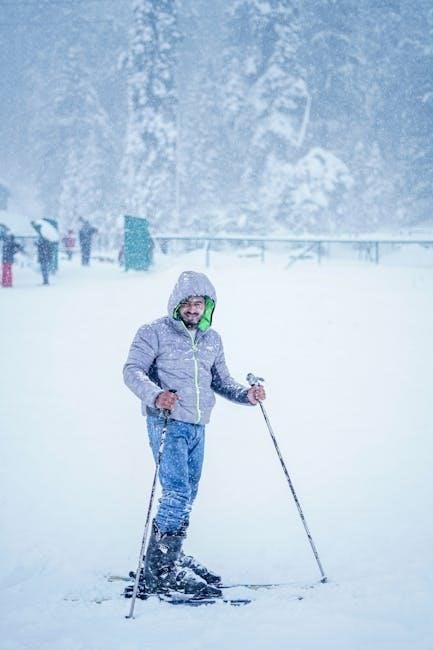
Measuring Your Ideal Ski Pole Length
Accurate measurement ensures optimal performance! Utilize the “upside down” method or a wall measurement technique to determine your personalized ski pole length for enhanced control.
The “Upside Down” Method
To employ the “upside down” method, grasp the pole upside down with the grip on the ground; Extend your elbow to a 90-degree angle; this is crucial for accuracy.
Ideally, your forearm should be parallel to the ground when holding the pole correctly.
If the angle is too acute (elbow bent more), the pole is likely too long, hindering efficient technique.
Conversely, a wider angle suggests a pole that’s too short, potentially compromising power transfer and stability.
This method provides a practical, quick assessment, but consider it a starting point.
Fine-tuning based on terrain and personal preference is always recommended for optimal performance on the snow.
Using a Wall and Measuring Technique
For the wall measurement, stand with your back against a flat surface, mimicking a skiing posture. Extend your arm forward as if holding a pole, maintaining a natural, relaxed position.
Have someone mark the wall at your wrist crease – this point represents your ideal pole length.
Measure the distance from the floor to the mark; this provides a precise pole length measurement.
Ensure the measurement is taken with shoes you’ll wear while skiing for accuracy.
This technique offers a more objective assessment compared to estimations, aiding in selecting the most suitable pole length for your body and technique.

Troubleshooting Pole Length Issues
Incorrect pole length impacts technique and comfort! Too short poles cause excessive arm bending, while too long poles hinder efficient movement and control on the snow.
Poles That Are Too Short
Using poles that are too short significantly compromises your cross-country skiing technique and efficiency. A common symptom is excessive bending of the elbows during the poling motion, leading to quicker fatigue in the arms and shoulders. This restricted range of motion limits your power transfer and overall propulsion.
Furthermore, shorter poles can negatively affect your balance and stability, particularly on downhill sections or uneven terrain. You might find yourself working harder to maintain control, which detracts from the enjoyment of the sport. Correcting this issue involves selecting poles with a greater length, allowing for a more natural and powerful stride.
Poles That Are Too Long
Employing cross-country ski poles that exceed your ideal length introduces several challenges to your technique and comfort. A primary indicator is a straightened elbow during the poling phase, reducing your ability to effectively utilize your upper body strength. This can lead to inefficient power transfer and a feeling of instability.
Overly long poles also increase the risk of overreaching, potentially disrupting your balance and rhythm. You might experience strain in your shoulders and back as you compensate for the extended reach. Adjusting to appropriately sized poles will restore a more natural poling motion and enhance your overall skiing experience.
Resources and Further Information
Explore online ski pole size calculators and consult with experienced ski professionals for personalized guidance.
These resources offer valuable insights for optimal pole selection!
Online Ski Pole Size Calculators
Numerous websites provide convenient online ski pole size calculators, simplifying the process of determining your ideal pole length. These tools typically require your height and skiing discipline – classic or skate – as input. They then apply the appropriate formula (height x 0.84 for classic, height x 0.89 for skate) to generate a recommended pole length.
However, remember that these calculators offer a starting point. Individual preferences and technique variations can necessitate adjustments. Gear West and other retailers offer such tools. Always consider the other factors discussed in this guide, such as terrain and skiing style, to refine your choice and ensure a comfortable and effective fit.
Consulting with Ski Experts
For personalized guidance, consulting with experienced ski professionals is invaluable. Local ski shops boast knowledgeable staff who can assess your skiing technique, body proportions, and intended use to recommend the optimal pole length. They can also demonstrate proper pole usage and fitting techniques.
Experts can offer insights beyond simple calculations, considering nuances like your fitness level and any physical limitations. Don’t hesitate to seek their advice, especially if you’re new to cross-country skiing or experiencing discomfort with your current poles. A professional fitting ensures you invest in poles that enhance your performance and enjoyment on the trails.